

Design Project 2 | NID Ahmedabad

Abo-a Bhasa
Abo-a Zimabhaar

Our Language, Our resposibility
Project Role
Graphic Designer
Project Guide
Prof. Tarun Deep Girdher
Business Sector
Self Sponsored
Product Type
Communication, awareness and educational. Exploring all methods to deliver the message via Illustration, publication and website focused for a specific group of Sathali community.
Design Project 2 | NID Ahmedabad

Abo-a Bhasa
Abo-a Zimabhaar

Our Language, Our resposibility
Project Role
Graphic Designer
Project Guide
Prof. Tarun Deep Girdher
Business Sector
Self Sponsored
Product Type
Communication, awareness and educational. Exploring all methods to deliver the message via Illustration, publication and website focused for a specific group of Sathali community.

About the Project

This academic and personal project explores my Santhali heritage and the role of language in our community. While our roots are deeply tied to villages across eastern India, many young Santhals, including myself, have moved to cities, leading to a disconnect from our language. I struggle to speak Santhali and have little to no proficiency in reading or writing, which inspired this project.

Introduction

  • The use of the Santhali language in its written form is declining, largely due to the shift towards digital communication, which is predominantly in English. As a result, native languages across the country are gradually fading from everyday use.
  • Most Santhal youngsters can communicate verbally in Santhali, but proficiency in reading and writing is significantly low.
  • Santhals have deep-rooted connections to their villages, where their parents originate. However, the lack of communication in Santhali between parents and children is causing the essence of Santhal culture to fade.
  • Reading and writing in Santhali are declining even faster, as neither parents nor children in many families are proficient. Some may claim they can read, but not fluently.
  • As more Santhals migrate to cities for education and jobs, exposure to their native language diminishes, leading to a gradual disconnect from their cultural roots.
  • Despite Ol Chiki being officially recognized, Santhali is rarely included in mainstream education, limiting opportunities for children to learn the script.
  • Hindi, Bengali, Odia, and English dominate formal communication, reducing the necessity of using Santhali in daily life.
  • While Ol Chiki has Unicode support, there is a shortage of digital content, limiting its presence in online platforms and social media.
  • Older generations are fluent in Santhali, but younger ones rely more on regional or foreign languages, weakening intergenerational transmission.

Total Population :

74 Lakhs

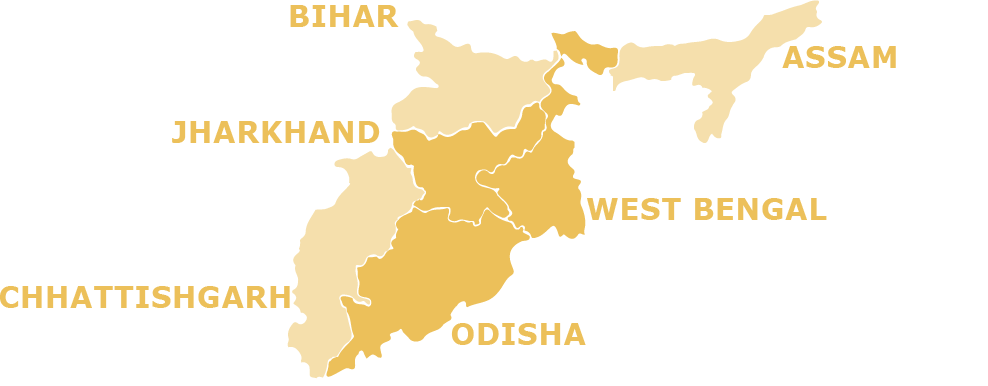
Jharkhand
27,52,723
West Bengal
25,12,331
Odisha
8,94,764
Bihar
4,06,076
Assam
Chhattishgarh
17,862
3,00,061
42,698
2,13,139
Bangladesh
Nepal

About the Project

This project was both an academic and personal journey, where I explored my motherland and the role of language in shaping a community. As a Santhali, I recognize our deep-rooted tribal heritage, closely tied to villages across eastern India—Jharkhand, West Bengal, Bihar, and Odisha. Santhali culture thrives in its textiles, architecture, and way of life. However, like many young Santhals, I moved to the city for better opportunities, which created a disconnect from my native language. I struggle to speak Santhali fluently and have little to no proficiency in reading or writing it, which inspired me to take on this project.

Introduction

  • The use of the Santhali language in its written form is declining, largely due to the shift towards digital communication, which is predominantly in English. As a result, native languages across the country are gradually fading from everyday use.
  • Most Santhal youngsters can communicate verbally in Santhali, but proficiency in reading and writing is significantly low.
  • Santhals have deep-rooted connections to their villages, where their parents originate. However, the lack of communication in Santhali between parents and children is causing the essence of Santhal culture to fade.
  • Reading and writing in Santhali are declining even faster, as neither parents nor children in many families are proficient. Some may claim they can read, but not fluently.
  • As more Santhals migrate to cities for education and jobs, exposure to their native language diminishes, leading to a gradual disconnect from their cultural roots.
  • Despite Ol Chiki being officially recognized, Santhali is rarely included in mainstream education, limiting opportunities for children to learn the script.
  • Hindi, Bengali, Odia, and English dominate formal communication, reducing the necessity of using Santhali in daily life.
  • While Ol Chiki has Unicode support, there is a shortage of digital content, limiting its presence in online platforms and social media.
  • Older generations are fluent in Santhali, but younger ones rely more on regional or foreign languages, weakening intergenerational transmission.

Total Population :

74 Lakhs

Jharkhand
27,52,723
West Bengal
25,12,331
Odisha
8,94,764
Bihar
4,06,076
Assam
Chhattishgarh
17,862
3,00,061
42,698
2,13,139
Bangladesh
Nepal

Survey

13%

Knew how to read and write

93%

Understood in spoken form.

98%

Knew how to read and write

82%

Understood in spoken form.

Survey

13%

Knew how to read and write

93%

Understood in spoken form.

98%

Knew how to read and write

82%

Understood in spoken form.

Origin

Importance of Language

Language forms the foundation of a person's identity, shaping everything else around it. Preserving a culture in its purest form begins with safeguarding its mother tongue. Since language is deeply connected to its script, using a different script diminishes its essence and meaning. Any effort to revive a language must start by protecting its original script.

Language

Culture

Identity

Religion

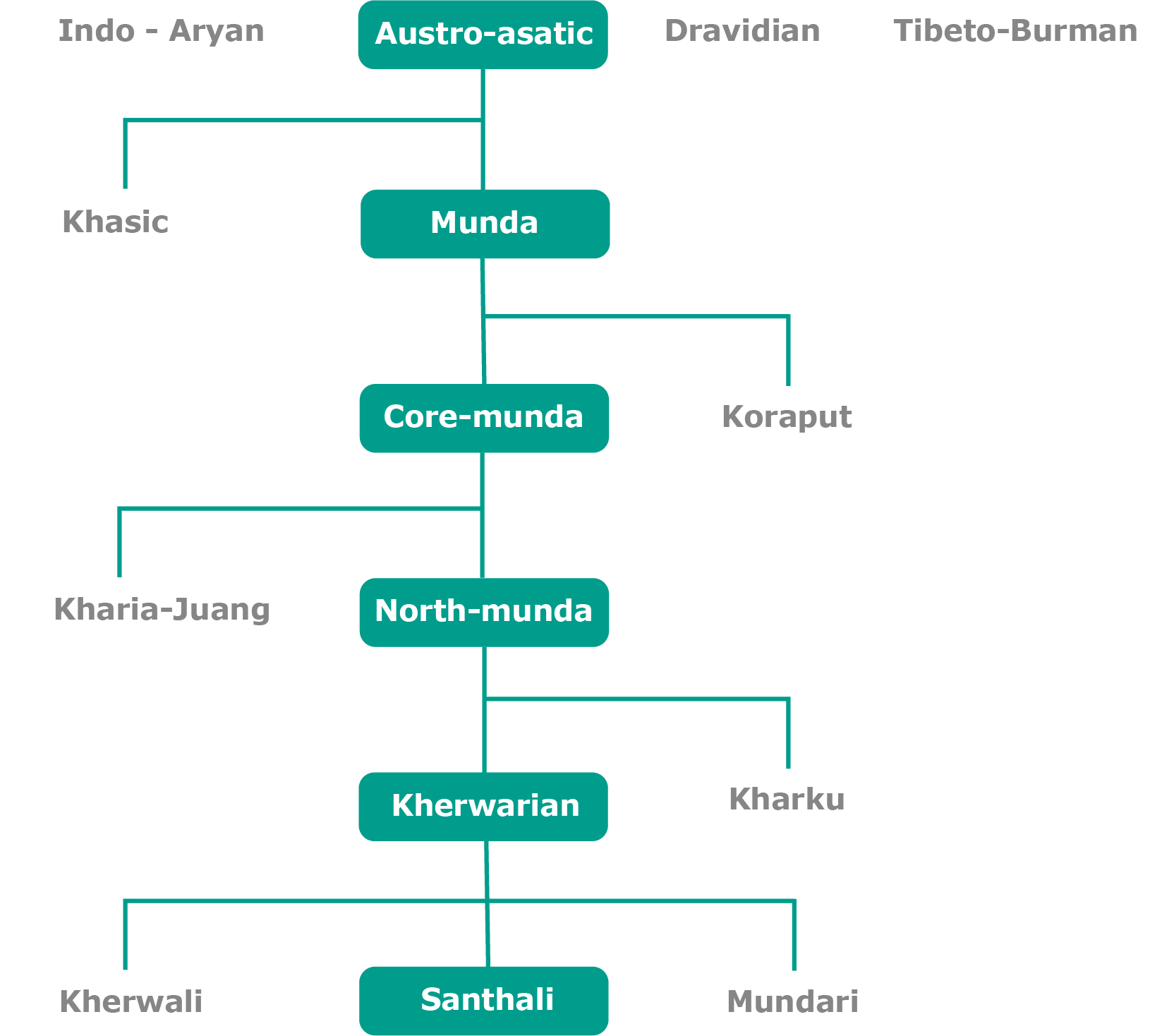
  • Santhali is an Austro-Asiatic language related to Ho and Mundari.
  • Villagers speak Santhali fluently, while urban-born tribal youth often lack fluency.
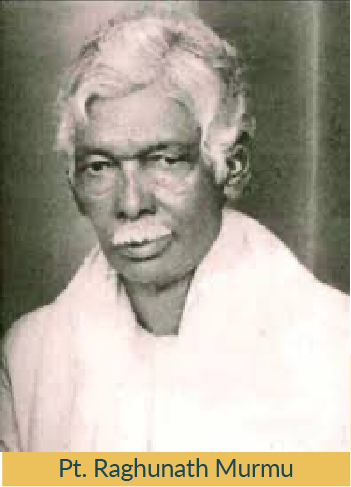
  • Santhali gained prominence when Pt. Raghunath Murmu developed its writing system.
  • Santhali communication among urban Santhal youth is weak, keeping the language fragile.
  • Most interactions take place among family members at home.
  • Santhali's local music industry is vast and widely available.

Research

Santhal as Scrpit

  • The Santhali script, known as Ol Chiki, was created by Late pandit Raghunath Murmu in 1925 and introduced to the public in 1939
  • The script's forms originate from natural derivations, reflecting sounds produced by actions, movements of animate or inanimate objects, and those associated with living beings and their corresponding words.
  • The script displayed on the right is primarily used in print publications and digital media, while the handwritten version is known as ‘Usarah-Ol’.
  • The script is phonetic, meaning each character represents a distinct sound, making it intuitive for learners.
  • Despite its official recognition, the script is not widely taught in schools, limiting its reach among younger generations.
  • With growing digital presence, Ol Chiki has been incorporated into Unicode, enabling its use in computers and mobile devices.

Personas

TYPE 1
Can't Read & Write
Can't Speak
Can't Understand
TYPE 2
Can't Read & Write
Can't Speak
Can Understand
TYPE 3
Can't Read & Write
Can Speak
Can Understand
  • Type 1 audience is the target group that are very eager to learn santhal as they are the farthest from thier mother land.
  • Type 2 is a key target group primarily living in urban areas, where Santhali is used sparingly at home and with relatives. This audience is highly engaged with digital media.
  • Type 3 is the largest target group, consisting mainly of Santhali youth. They are spread across villages and urban areas and have varying perspectives on learning Santhali.

Typography

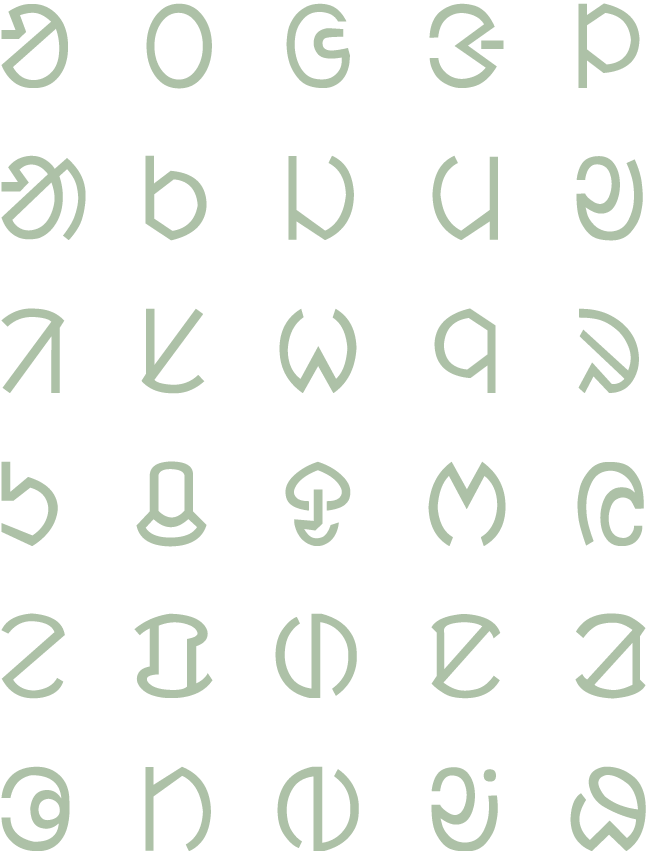
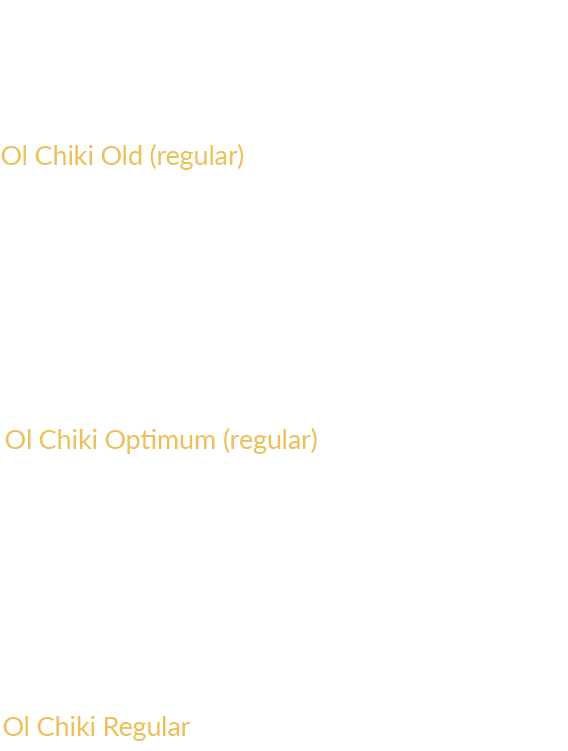
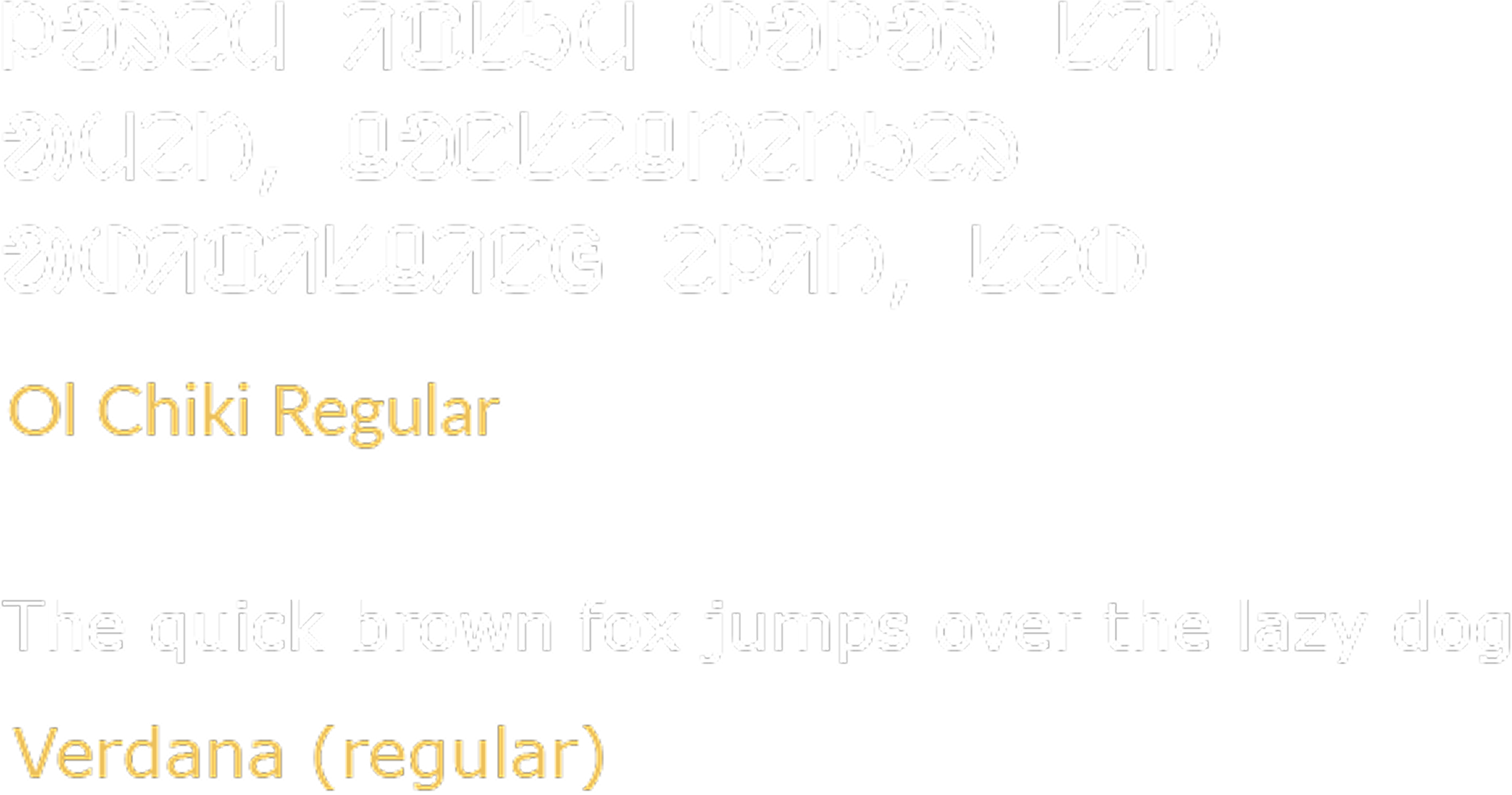
Santhali font

Fonts selected

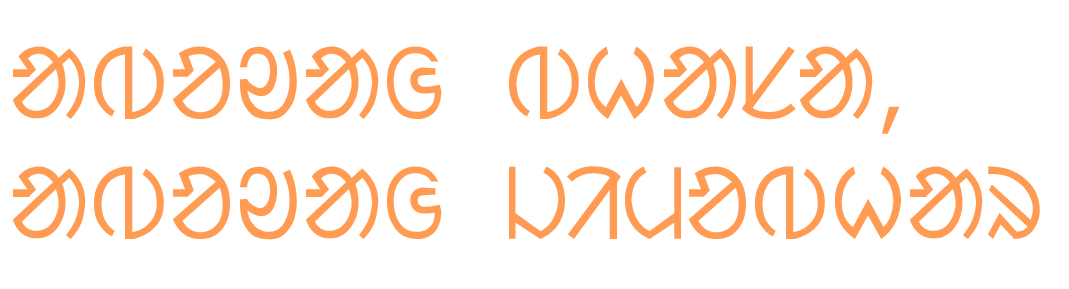
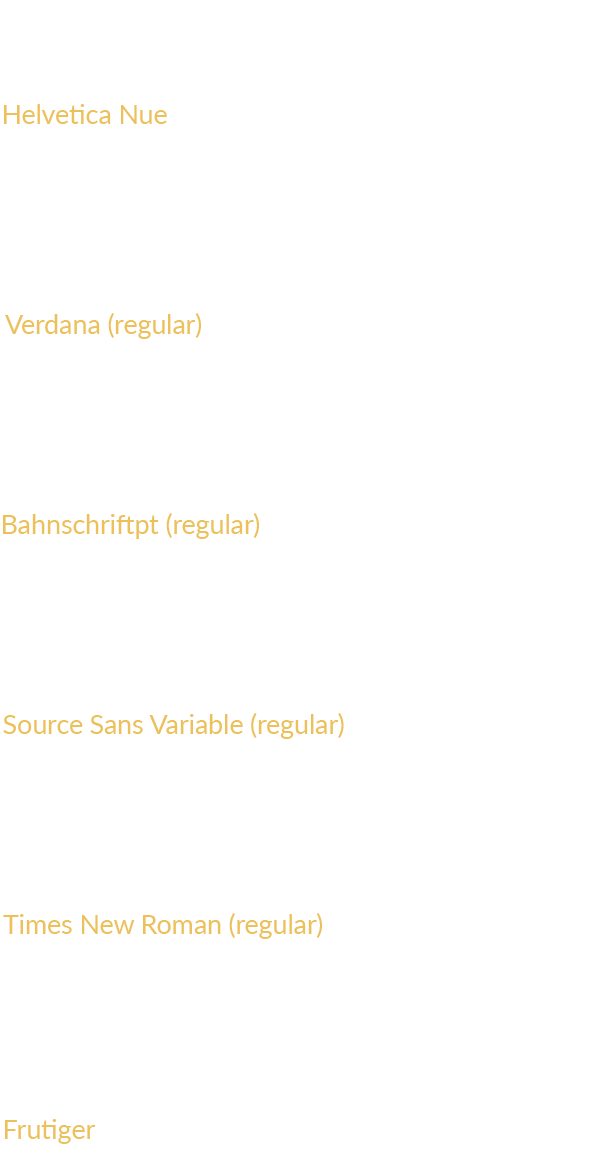
Pairing font

Fonts selected

The script Usara-Ol

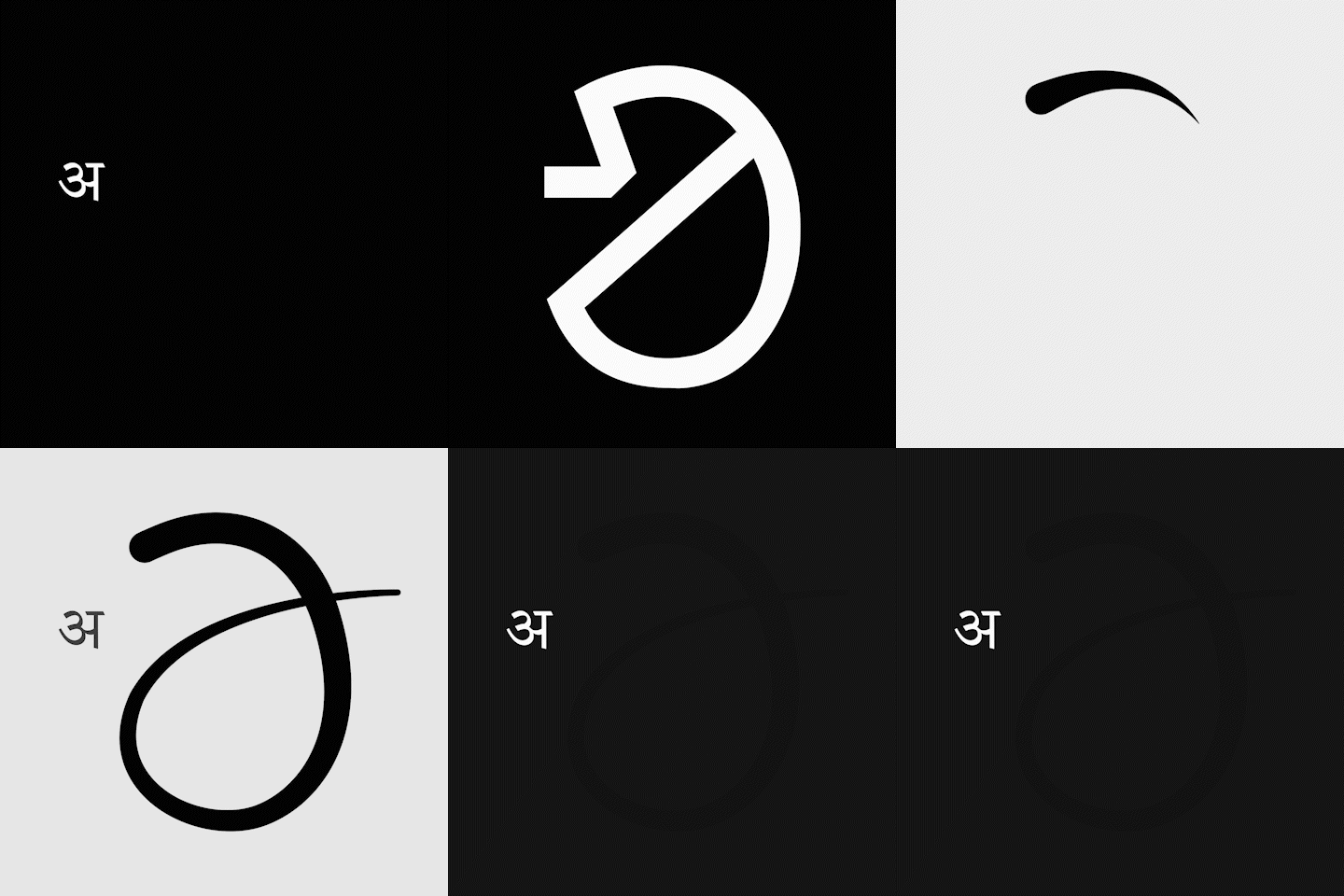
For introduction of letters, users required a face or pannel layout. First square was chosen as the ideal pannel where the letter is to be placed at  the centre.

Since the cursive part was important as the press format of writing, cursive was to be included and to be given equal importance.
The Usara ol in digital form has irregular shapes and various visual issues . This requires to be changed for the sake of visual interests of users.
This letter is made digitally mapped over the Ol-Chiki letter. Still lacking visual appearance but cleaner than the digital version.
Since English alphabets cannot accurately represent Santhali sounds, Hindi or Odia were the preferred alternatives. Given that the target audience is mostly literate in Hindi, it was chosen as the reference dialect for comparison with Santhali.
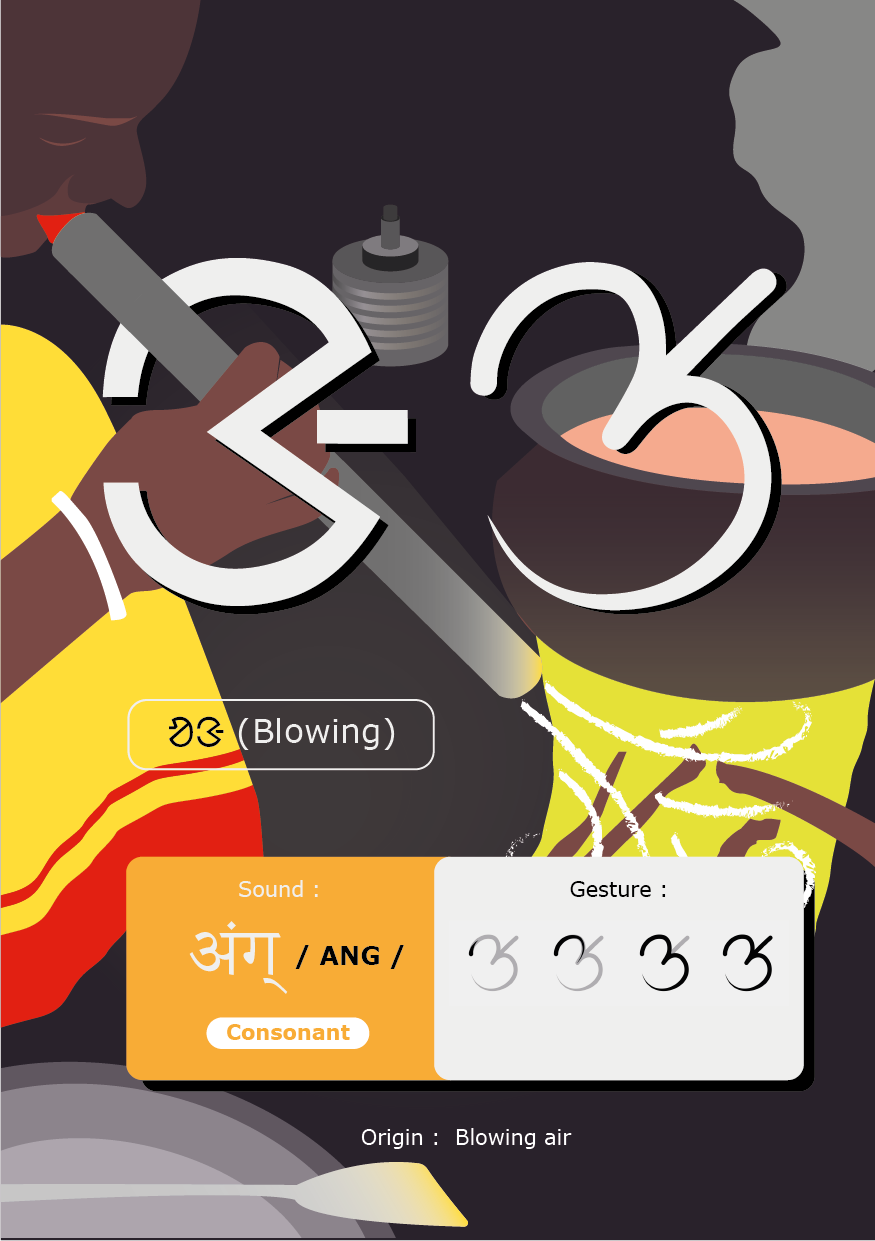
  • Since being unsure for what end deliverables to make, it was better to start with small elements such as one letter itself. Thinking it will become a building block to antything to (from physical to digital).
  • Letters were made in digital platform seperately with its own seperate space but maintaing a certain format.
  • This was to be used in 2 platforms mostly print media and digital.
  • In digital it was determined to be included with motion graphics.
  • The motive of the motion gaphics was its flexibility of use in diffferent platforms like social media or any website.
The sequence was generated, and after several trials and errors, the timeline was finalized at 12 seconds. Colors and visuals were not yet incorporated, keeping it in a skeletal form for further development. Various visuals could be added based on user testing. Keyframes were standardized across all letters to maintain a consistent timeline.

Outputs

The Instagram approach

Instagram, with its broad reach, was chosen for this Ol Chiki learning initiative. Existing pages lacked a structured, step-by-step approach, often presenting letters in repetitive formats. This project aimed to enhance visual distinction for each letter, aiding retention and encouraging active writing. A feedback system was introduced to engage learners in sharing progress. The page was named "Learn Santhal" or "#learn_santhal" with the logo as "learn a" symbolizing the first Ol Chiki letter.

The table top approach

The layout was designed for a desk calendar format, making it both a learning tool and a decorative item. Users can flip through pages to learn each Ol Chiki letter at their own pace.

Placed in living spaces, it not only attracts individual users but also sparks curiosity among guests. Positive feedback suggests strong demand, with potential to include additional features like examples on the reverse side.

Made with high-quality gloss paper and a sturdy base, it can be a 30-page tabletop item or released in two sets. Once familiar with this format, users can transition to reading Santhali books, deepening their learning.

The final pages are dedicated to inspiring users to teach others and share their experience, laying the foundation for future publications and evolved learning methods.

Thank You !